

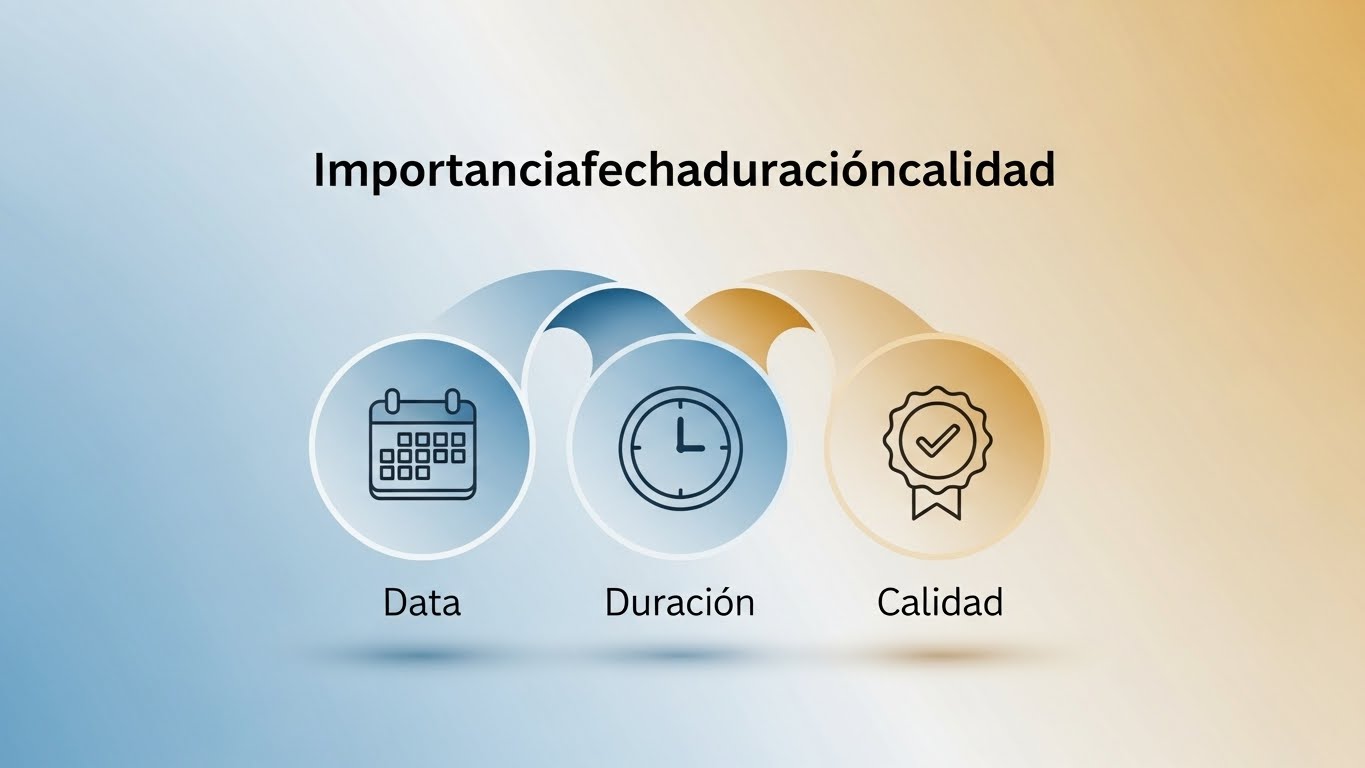
The concept of importanciafechaduracióncalidad may appear, at first glance, as a compressed phrase, but it represents a powerful triad that drives successful strategies across business, manufacturing, logistics, digital marketing, engineering, and even personal productivity. In practice, it refers to the interconnected importance of date, lasted, and which as core pillars that determine whether an initiative thrives or collapses. When professionals treat these elements in isolation, projects frequently drift, budgets spiral, or outcomes fall short of expectations. However, when they are analyzed together—with an understanding of how timelines, execution speed, and deliverable excellence reinforce each other—the entire process becomes more predictable, more efficient, and more aligned with long-term value.
Understanding importanciafechaduracióncalidad is increasingly essential in a marketplace where speed is rewarded, quality is non-negotiable, and timeframes shift rapidly. Organizations that integrate these components into early planning cycles enjoy higher operational resilience, smoother workflows, and greater customer satisfaction. For example, a software release pushed out too early can harm trust, while a perfectly polished product delivered too late can lose market relevance. Similarly, a project with an unclear duration often creates internal friction, leaving teams unsure of resource allocation or performance expectations. Businesses that navigate these dynamics with precision position themselves for sustainable growth, reduced risk, and measurable competitive advantage.
In a world where global supply chains fluctuate, consumer standards rise, and digital operations accelerate, the practical application of importanciafechaduracióncalidad becomes a blueprint for managing uncertainty. It encourages decision-makers to evaluate not only when something must be completed but also how long each stage realistically takes and the minimum quality standards that must be upheld. This balanced approach helps leaders avoid trade-offs that sabotage results, such as rushing production at the cost of excellence or over-engineering a process that ultimately delays delivery. When adopted intentionally, this framework becomes a compass for smarter planning and more reliable execution, regardless of industry or scale.
Read More: G15Tools com Gadget
Timeframes as the First Anchor of importanciafechaduracióncalidad
Timeframes form the first essential component of importanciafechaduracióncalidad because the moment a target date is defined, every other decision—resources, budgets, expectations—begins to crystallize. A clear date sets the rhythm of the project and guides all involved parties toward a shared timeline. For instance, in industries like construction or event planning, where delays can cost thousands of dollars per hour, establishing the right date upfront ensures that dependencies align smoothly and setbacks are minimized. This element also allows teams to anticipate external variables such as seasonal demand, regulatory deadlines, or vendor availability, which further shape the project’s constraints and opportunities. Without anchored timeframes, even the most well-funded initiatives drift into uncertainty, making success harder to measure.
At a more strategic level, the timing of a project often determines its potential impact. Consider product launches scheduled around peak consumer seasons or marketing campaigns timed to maximize visibility across platforms. When leaders account for the importanciafechaduracióncalidad, they plan dates that enhance momentum rather than disrupt it. They also recognize that the wrong date can diminish return on investment, create traffic bottlenecks, or misalign departments that rely on synchronized outputs. As a result, setting deadlines becomes less about pressure and more about precision—an exercise in shaping the context in which the project unfolds. By clearly defining when milestones must be reached, teams cultivate accountability, avoid unnecessary stress, and create a cohesive environment where each step builds confidently toward the next.
Duration as the Second Pillar for Sustainable Outcomes
The second pillar of importanciafechaduracióncalidad-of
When leaders manage duration thoughtfully, they create workflows that remain flexible enough to absorb unexpected shifts while maintaining steady progress. For example, software teams use sprint cycles precisely because they offer a predictable structure while still allowing iterative adjustments. Construction managers apply similar logic by defining staging phases that accommodate inspections, weather changes, and material delivery windows. By integrating duration into early planning, organizations reduce rework, improve communication, and spot timing conflicts before they escalate. Ultimately, duration becomes more than a measurement—it becomes a protective framework that supports quality and ensures deadlines remain achievable without compromising standards. This alignment reinforces the strategic essence of importanciafechaduracióncalidad: balancing time, process, and excellence for dependable results.
Quality as the Third Essential Component
Quality completes the triad of importanciafechaduracióncalidad because even the best-timed project loses its value if the final outcome does not meet expectations. Quality shapes brand reputation, customer satisfaction, and long-term sustainability. It determines whether a product earns loyalty, whether a campaign drives conversions, and whether a structure remains safe and functional over decades. In industries such as healthcare, aviation, or engineering, quality is not negotiable—it becomes the defining attribute that upholds safety and public trust. Businesses that prioritize this pillar understand that quality is not an afterthought but a deliberate design choice influenced by materials, skills, methodologies, and continuous improvement processes.
Integrating quality into the importanciafechaduracióncalidad framework prevents common pitfalls such as rushing last-minute fixes, cutting corners to meet deadlines, or relying on untested assumptions that jeopardize performance. Quality requires time and clarity, which is why this triad is so interdependent: compromising one element inevitably affects the others. Teams that apply structured quality control measures, robust testing, peer reviews, and clear benchmarks throughout the workflow consistently outperform those that evaluate quality only at the end. This proactive approach supports innovation, reduces warranty claims, and enhances both market competitiveness and internal morale. When quality is upheld alongside thoughtful timing and realistic duration, organizations produce work that not only meets expectations but elevates standards.
Conclusion
The concept of importanciafechaduracióncalidad offers a cohesive lens through which leaders, creators, and strategists can evaluate the interconnected factors that determine real-world success. By aligning dates, durations, and quality expectations, organizations reduce uncertainty and cultivate an environment where excellence becomes predictable rather than accidental. This framework encourages a balance between ambition and feasibility, ensuring that each decision supports long-term value rather than short-term convenience. Whether applied to product development, planning, operations, or personal productivity, it guides teams toward outcomes that are timely, well-constructed, and durable.
As industries grow more complex and competitive, understanding and applying this triad becomes not just helpful but essential. Those who adopt it gain clarity, reduce risks, and build trust with clients, partners, and customers. As you plan your next project or evaluate current processes, consider how the elements of importanciafechaduracióncalidad interact in your workflow—and how a more intentional approach could strengthen your results and expand your opportunities for growth.
