

Demands of Constant Content Consumption
In today’s digital era, technology has transformed to meet the relentless demand for constant content consumption. The modern audience expects instant access to high-quality visuals, crystal-clear audio, and seamless streaming experiences.
Whether it is for entertainment, education, or social connection, the appetite for continuous and immersive content has driven remarkable technological innovation. This evolution has reshaped the way creators capture, store, and share information, enabling a world that thrives on visual communication and immediate engagement.
Building the Ideal Setup for Modern Content Creation
The foundation of today’s digital ecosystem lies in the ideal setup that supports smooth and efficient production. This setup integrates various tools and technologies that ensure the creation and delivery of consistent, high-quality content. Central to this process is the streaming workflow, a system that ties together every component of production from the capture stage to final delivery. Each element, from reliable storage to precise capture devices and advanced audio solutions, contributes to a cohesive experience that meets the audience’s growing expectations.
Reliable storage is one of the most critical elements in any content production setup. As creators record longer sessions and higher-resolution visuals, they require dependable and high-capacity storage solutions that maintain performance and security. Modern storage technology ensures that creators can manage large files without interruption or data loss, allowing smooth editing, transfer, and archiving processes. The reliability of storage has evolved alongside increasing data demands, with systems now designed to handle extensive media libraries with efficiency and precision.
Capture devices have also evolved significantly. Capture cards play an essential role in bridging the gap between cameras and computers, enabling the transfer of uncompressed video data for live or recorded content. The technology behind these cards has become faster, more efficient, and capable of handling higher resolutions, ensuring that creators maintain consistent image quality.
The Role of Cameras and Microphones in Enhancing Production Quality
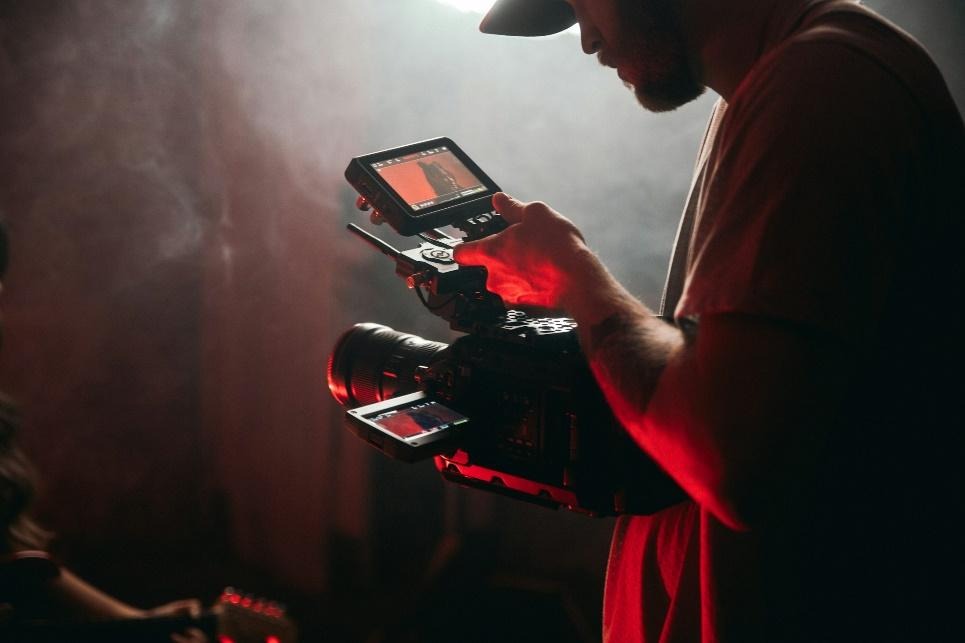
The evolution of camera technology has been one of the most transformative aspects of content creation. Cameras today are designed to deliver detailed imagery with excellent color accuracy and low-light performance, features that were once reserved for high-end professional equipment. The integration of digital sensors and intelligent processing has allowed creators of all levels to capture content that resonates with clarity and depth. This democratization of visual technology has opened the door for more voices and perspectives to reach audiences around the world.
Equally important are microphones, which have advanced to capture sound with remarkable fidelity. Audio clarity is essential in maintaining viewer engagement, and modern microphones are engineered to minimize background noise while emphasizing vocal precision. From compact portable models to studio-grade recording equipment, the range of options now available allows creators to adapt their setups to various environments. This progress ensures that every word, note, or ambient sound is represented as intended, enhancing the emotional connection between the creator and the audience.
The synergy between modern cameras and microphones has established new standards in digital storytelling. Together, they form the sensory foundation of content creation, translating creative intent into a tangible and captivating experience.
The Evolution of Streaming Software and Content Management
While hardware lays the foundation, software is the driving force that brings the production process to life. Streaming software has evolved into powerful platforms capable of managing complex tasks such as encoding, real-time mixing, and multi-platform distribution. Early streaming solutions often struggled with stability and limited customization, but modern systems now prioritize performance, ease of use, and flexibility. These advancements have made it possible for creators to produce live broadcasts and pre-recorded sessions with professional precision.
Streaming software enables creators to monitor their audio and visual feeds in real time, adjust settings on the go, and integrate interactive elements that enhance viewer participation. Features like scene switching, layered overlays, and transition effects have become standard, empowering creators to build dynamic and engaging content. This shift reflects how technology continues to adapt to the growing sophistication of both creators and audiences, fostering a more connected and interactive digital environment.
Beyond live streaming, software solutions for content management have also evolved to meet the demands of constant content consumption. Editing tools now offer non-destructive workflows, automatic synchronization, and collaborative options that allow multiple users to work on the same project seamlessly.
Reliable Storage as the Backbone of Content Sustainability
In the world of continuous content creation, reliable storage serves as the unseen backbone that ensures sustainability. As audiences demand more frequent uploads and longer streaming sessions, the need for secure and scalable storage has grown exponentially. Modern storage solutions combine speed, redundancy, and adaptability, allowing creators to safeguard their work while maintaining instant access to large media files.
Data protection technologies have also evolved, minimizing the risk of corruption or accidental loss. Redundant storage architectures and automated backup systems have become standard practice for professionals who cannot afford downtime or missing content. The evolution of cloud integration has further transformed how creators manage data, offering remote access and collaboration without compromising on speed or reliability. These advancements allow creators to maintain a constant flow of production while ensuring the longevity of their creative assets.
The Continuous Evolution of Technology to Meet Audience Expectations
The evolution of technology in response to constant content consumption reflects a broader cultural transformation. Audiences today seek immediacy, authenticity, and high-quality engagement across multiple platforms. This demand has encouraged a cycle of innovation where hardware and software continuously evolve to provide faster, more intuitive, and more reliable solutions.
Advancements in processing power, connectivity, and artificial intelligence have made it possible for creators to reach global audiences in real time. The line between professional studios and individual creators has blurred, as accessible tools now deliver the same level of production excellence once limited to large-scale operations. This shift not only enhances creative freedom but also promotes diversity in digital storytelling, allowing content to reflect a broader spectrum of voices and ideas.
The evolution continues as emerging technologies push the boundaries of what is possible. Enhanced compression algorithms, real-time analytics, and adaptive streaming formats are reshaping the way audiences consume media.
As technology continues to adapt, one thing remains certain: the relationship between creators, tools, and audiences will keep evolving. Every improvement in storage, capture devices, microphones, and software brings us closer to a world where creativity and connection know no limits.
