

Introduction
In recent years, the term Ankadrochik has begun appearing in creative, cultural, and even academic discussions. Though it may sound unfamiliar, Ankadrochik represents more than just an emerging trend — it embodies a distinct philosophy of artistic balance and expressive innovation. Rooted in both linguistic curiosity and evolving design sensibilities, Ankadrochik has come to symbolize the fusion of modern creativity with timeless principles. As globalization reshapes art, communication, and identity, the concept of Ankadrochik serves as a bridge between tradition and transformation.
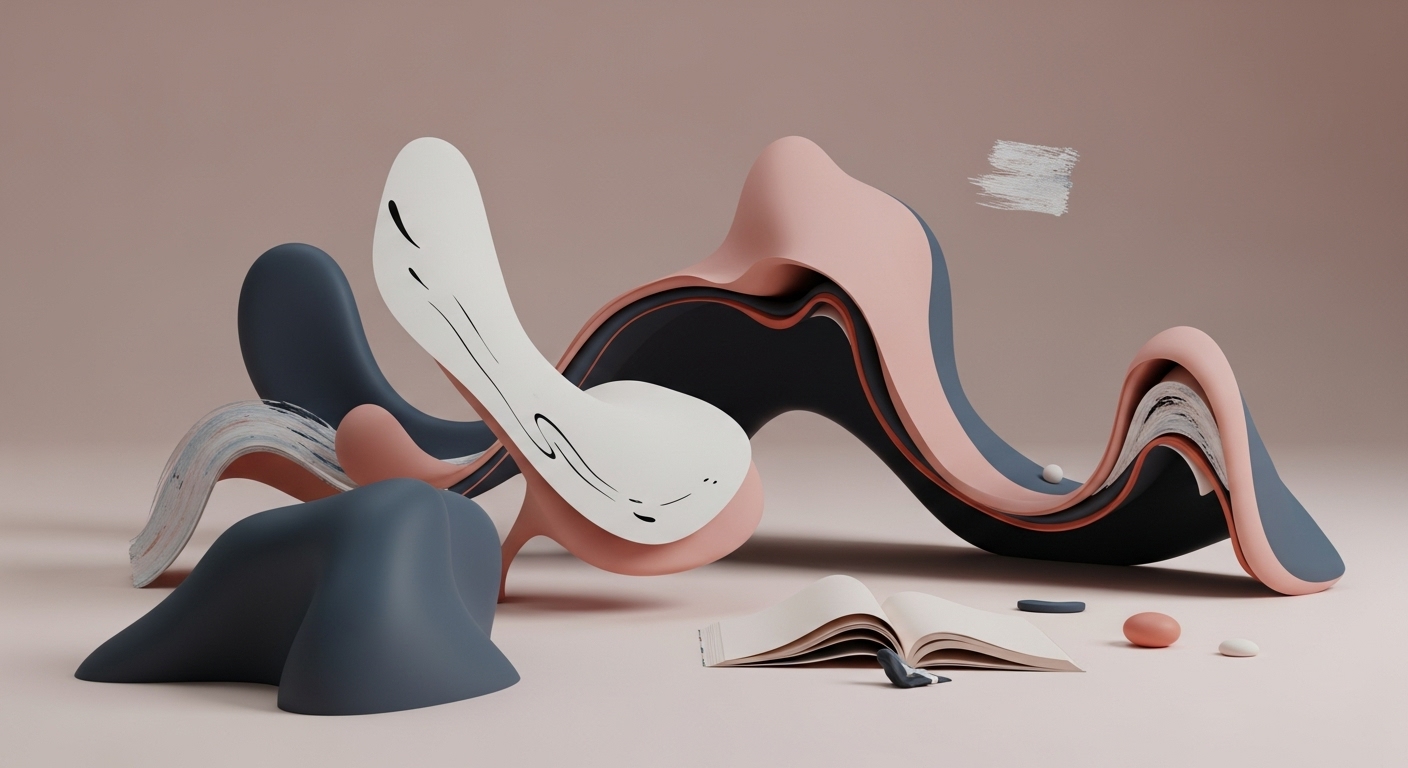
At its core, Ankadrochik is a term used to describe a style or movement that values asymmetry, intuitive flow, and emotional authenticity. Unlike rigid frameworks or formulaic aesthetics, Ankadrochik thrives on imperfection and experimentation. It encourages creators, designers, and thinkers to look beyond symmetry and structure — finding beauty in unexpected forms. The word itself evokes a sense of movement and vitality, suggesting that true creativity often emerges from chaos rather than control.
The growing fascination with Ankadrochik stems from a broader cultural shift. In a world that increasingly prizes authenticity over perfection, people are drawn to concepts that allow freedom of expression without constraints. Ankadrochik captures this sentiment perfectly, resonating with artists, musicians, architects, and writers alike. As we explore its roots, characteristics, and influence, we begin to understand why Ankadrochik is more than a fleeting buzzword — it’s a mindset shaping how we see and create the world around us.
The Origins and Etymology of Ankadrochik
The term Ankadrochik is believed to have originated from linguistic blends found in Eastern European and Central Asian dialects. Although not tied to a single language, it reflects an evolution of phonetic aesthetics — where sound and meaning intertwine to evoke emotion. Early mentions of Ankadrochik appeared in underground art forums and academic papers discussing avant-garde movements. Over time, it grew into a symbolic term representing a break from conventional formality.
Etymologically, “Anka” is often associated with grace or motion, while “drochik” conveys rhythm, pattern, or crafted repetition. Together, they create a word that suggests both fluidity and structure — a perfect metaphor for creative balance. Linguists studying Ankadrochik note that its morphology mirrors the artistic philosophy it represents: organic, dynamic, and intentionally imperfect. Whether born from a linguistic accident or deliberate invention, Ankadrochik embodies the human desire to redefine beauty through unpredictability.
The Philosophy Behind Ankadrochik
At the heart of Ankadrochik lies a philosophy of embracing imperfection as a path to authenticity. It rejects the sterile uniformity that often dominates digital and industrial design, advocating instead for an organic, handmade touch. The concept aligns closely with the Japanese notion of wabi-sabi — finding beauty in impermanence and incompleteness — yet Ankadrochik goes further by celebrating the chaotic energy that fuels creativity. It views flaws not as limitations, but as catalysts for discovery.
This philosophy encourages creators to step outside conventional boundaries. In architecture, it might mean using irregular shapes and materials that age naturally. In writing, it could involve rhythmic dissonance or fragmented narratives that mirror real emotion. The Ankadrochik mindset transforms “mistakes” into moments of meaning, reminding us that true innovation rarely follows a straight line. It’s a creative rebellion against perfectionism — and a celebration of the human touch in an increasingly automated world.
Read More: Do the Driving Modes in Cadillac Lyriq Offer Different Ranges or Battery Usages?
Ankadrochik in Art and Design
Artists and designers across disciplines have adopted Ankadrochik as a guiding aesthetic. In visual art, it manifests as fluid compositions, unexpected color combinations, and abstract balance that defies traditional rules. Painters like contemporary expressionists use Ankadrochik principles to evoke emotion through asymmetry, layering textures that draw viewers into an immersive experience. This artistic freedom blurs the boundary between chaos and control, resulting in deeply personal and visually compelling works.
In design, Ankadrochik inspires a shift toward authenticity and sensory engagement. Interior designers, for instance, integrate mismatched furniture, raw materials, and uneven lines to create spaces that feel alive. Graphic designers experiment with typographic irregularities and imperfect alignments that command attention precisely because they break expectations. Ankadrochik design doesn’t aim to please everyone — it aims to provoke emotion, conversation, and curiosity.
Cultural Impact and Global Recognition
The Ankadrochik movement has found resonance across continents, reflecting a global appetite for individualism and creative diversity. In Western fashion circles, designers incorporate asymmetrical tailoring and layered fabrics inspired by the Ankadrochik ethos. In Eastern cultures, the concept aligns with existing philosophies of harmony through contrast. This cross-cultural adaptability has propelled Ankadrochik into international dialogues about aesthetics, sustainability, and identity.
Media and academia have also begun exploring Ankadrochik as a social and psychological phenomenon. Scholars link it to postmodern resistance against mass production and algorithm-driven culture. The growing preference for handmade goods, vintage styles, and analog experiences parallels Ankadrochik’s values. As society grapples with digital saturation, the movement provides a counterbalance — reminding people that imperfection, intuition, and emotional depth are integral to human creativity.
Ankadrochik and the Digital Age
In today’s hyperconnected world, Ankadrochik stands as a countercultural response to digital uniformity. Algorithms tend to favor predictability — from social media feeds to streaming recommendations — but Ankadrochik champions unpredictability. Online creators embrace this mindset by experimenting with raw, unfiltered content that feels spontaneous rather than polished. This resonates deeply with audiences seeking authenticity amid digital perfection.
Moreover, Ankadrochik challenges the sterile visual templates that dominate web and app design. Developers and UX designers incorporating its principles experiment with asymmetrical layouts, playful animations, and tactile interfaces. The result is an online experience that feels more human, emotional, and memorable. In essence, Ankadrochik invites technology to rediscover its creative soul — one that prioritizes feeling over formula.
Applying Ankadrochik in Everyday Life
Beyond art and design, Ankadrochik offers practical lessons for personal growth and lifestyle. It teaches that imbalance and unpredictability can lead to meaningful transformation. In relationships, careers, and personal projects, the Ankadrochik mindset encourages flexibility, resilience, and the courage to embrace mistakes as learning opportunities. This philosophy resonates with modern mindfulness practices, reminding us that life’s asymmetries are part of its beauty.
People are integrating Ankadrochik into daily living through choices that favor authenticity over conformity. From decorating homes with reclaimed materials to supporting independent artisans, individuals are drawn to the imperfect charm of uniqueness. The same approach applies to self-expression — through fashion, writing, or music — where imperfection becomes a statement of individuality. Ankadrochik reminds us that true fulfillment lies not in flawlessness, but in fearless creativity.
The Future of Ankadrochik
As cultural and creative landscapes evolve, Ankadrochik is poised to influence future generations of thinkers and innovators. With growing awareness around sustainability, emotional well-being, and human-centered design, its core principles align perfectly with emerging global values. Ankadrochik’s emphasis on organic balance and authenticity resonates with both environmental and psychological movements.
Experts predict that Ankadrochik will continue to expand into new territories — from education to virtual reality design. As industries strive to humanize technology and restore emotional depth to creative work, this concept offers an inspiring blueprint. The future of Ankadrochik lies in its ability to adapt — not as a fixed style, but as an evolving philosophy that keeps art, design, and humanity connected.
Conclusion
In a world that often rewards perfection, Ankadrochik reminds us that imperfection is not a flaw — it’s the essence of creativity. Its influence stretches across languages, cultures, and disciplines, encouraging people to rediscover the value of intuition, experimentation, and emotional honesty. Whether through design, art, or everyday living, Ankadrochik challenges us to celebrate difference and embrace unpredictability.
As we move deeper into the digital age, the principles of Ankadrochik become even more vital. They call us back to authenticity — to creating, thinking, and living with heart rather than formula. Perhaps that is the greatest beauty of Ankadrochik: it doesn’t demand perfection. It simply asks that we express ourselves fully, imperfectly, and courageously — just as life itself does.
