

Introduction
The idea of a classroom 30x has emerged as an innovative response to the rapid changes shaping modern education. As teachers, administrators, and policymakers work to meet evolving student needs, they increasingly search for models that can scale instruction, personalize learning, and enhance engagement without overwhelming school resources. The classroom 30x concept represents that next-level framework—one designed to multiply learning outcomes, streamline management, and create more dynamic, flexible academic environments. It emphasizes adaptability, integrating technology, space design, and curriculum planning into a cohesive system that can work for groups of 30 or more without losing the personalized touch essential for effective teaching.
In today’s educational climate, schools need scalable solutions that can be replicated across districts while still offering individual benefits to diverse student groups. The classroom 30x model embraces these challenges by shifting from traditional lecture-based setups to agile, student-centered spaces. It doesn’t simply expand classroom capacity—it reimagines how the space is used, how instruction is delivered, and how students interact with their environment. This is especially important in an era where student populations fluctuate, digital tools advance rapidly, and learning expectations grow more complex.
By exploring the components, benefits, and practical applications of a classroom 30x strategy, educators can better understand how to balance classroom management with creativity and innovation. Whether you work in K–12, higher education, or alternative learning programs, this approach offers fresh ways to increase engagement, support collaboration, and drive measurable academic growth. The classroom 30x framework also aligns with broader national trends toward flexible learning, making it increasingly relevant as schools invest in new technologies and expanded instructional models.
This article dives deep into what makes the classroom 30x approach valuable, how it works, and why educational leaders across the United States are paying close attention. From space design to technology integration and assessment practices, each section highlights practical insights that teachers and administrators can apply immediately. As you explore the sections ahead, consider how this scalable model could help transform your own learning environment, preparing students for a future that demands adaptability, creativity, and lifelong learning.
Designing a Flexible Classroom 30x Layout
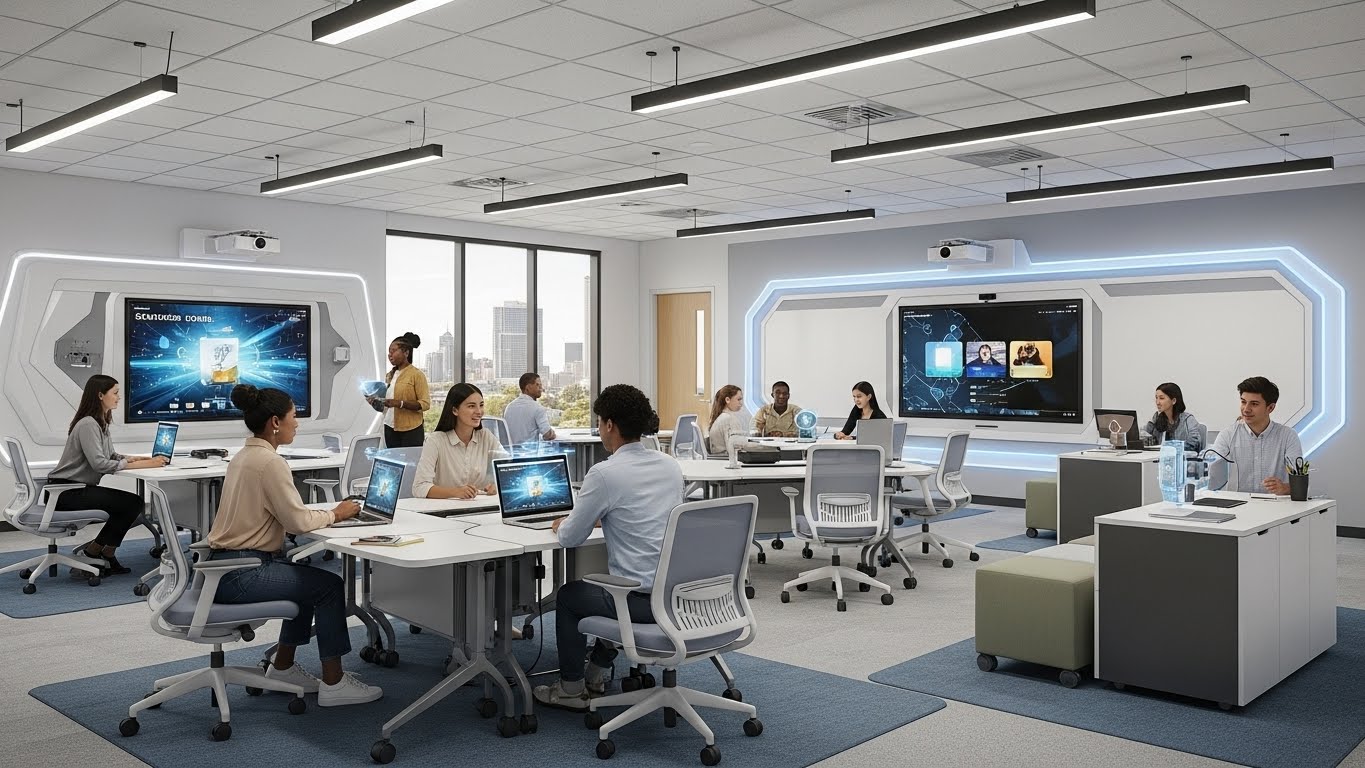
The first step in creating a successful classroom 30x environment is developing a layout that supports the dynamic needs of larger groups without sacrificing comfort or functionality. Flexibility is key. Traditional rows of desks no longer meet the demands of collaborative, technology-supported instruction. Instead, the classroom should offer movable furniture, modular seating clusters, and open areas for group tasks. This allows teachers to quickly shift between direct instruction, project work, and independent learning. For instance, mobile tables and stackable chairs give educators the freedom to redesign the space in minutes, accommodating various teaching strategies while keeping students engaged. A classroom 30x design thrives when the physical environment remains adaptable throughout the school day.
Lighting, acoustics, and visibility also play crucial roles. A well-designed classroom 30x ensures every student can see instructional materials and hear the teacher clearly, even in a larger group. Soft-surface materials help reduce noise, while strategically placed screens or whiteboards improve sightlines. Additionally, integrated charging stations address the growing need for device accessibility. By prioritizing comfort and accessibility, educators can build a space that promotes productivity, minimizes distractions, and encourages students to take ownership of their learning environment. When physical design supports diverse learning modes, the entire classroom 30x ecosystem becomes more efficient and inviting.
Read More: Pedrovazpaulo Business Consultant
Integrating Scalable Technology in a Classroom 30x
Technology is one of the driving forces behind the classroom 30x model, enabling teachers to deliver personalized instruction even with larger groups. Interactive displays, learning management systems, wireless sharing tools, and adaptive learning software help streamline communication and instruction. For instance, platforms that track student progress in real time allow teachers to identify learning gaps and intervene more efficiently. This is especially helpful when managing a group of 30 or more students, as data can quickly reveal who needs support and who is ready to advance. A classroom 30x equipped with the right digital tools empowers both teachers and students, fostering smoother workflows and more meaningful engagement.
However, technology must be intentionally integrated, not just added. Schools benefit when they adopt a long-term digital strategy that includes training, maintenance, and equitable access to devices. Teachers need ongoing professional development to effectively use interactive tools, while students must understand digital citizenship and responsible device usage. A classroom 30x that blends technology with strong instructional practices creates a balanced environment where digital tools enhance—not replace—human connection. When teachers use technology to amplify their instruction rather than complicate it, the classroom becomes more efficient, responsive, and future-ready.
Enhancing Collaboration Through the Classroom 30x Approach
A major advantage of the classroom 30x model is its emphasis on collaboration. Group learning encourages students to communicate, problem-solve, and develop critical interpersonal skills. In a classroom built for scalability, collaboration becomes more natural because the space supports movement and interaction. Instead of being confined to single desks, students can gather around shared tables, use breakout zones for brainstorming, or join digital collaboration spaces through online platforms. These activities help build stronger relationships among peers and give every student a chance to contribute meaningfully, regardless of their communication style. By structuring the room to support collaboration, teachers create an inclusive and engaging environment.
The classroom 30x model also encourages structured teamwork. Clear roles, rotating responsibilities, and project-based learning help keep group activities focused and equitable. Teachers can leverage digital tools that track participation or assign tasks, making large-group collaboration more manageable. When students understand the expectations and have space to work together effectively, collaboration becomes a natural part of daily learning. This is especially valuable in preparing students for real-world scenarios, where group dynamics, leadership opportunities, and shared problem-solving play major roles. A classroom 30x that prioritizes collaboration ultimately develops stronger academic and social outcomes.
Personalizing Instruction at Scale with Classroom 30x
One of the biggest challenges in larger classrooms is personalization, yet the classroom 30x model makes it achievable through strategic planning and smart resources. Teachers can use differentiated instruction techniques to tailor lessons to varying skill levels. For example, learning stations allow students to rotate through activities at their own pace while the teacher provides targeted support. Digital tools also help personalize instruction by offering adaptive content that adjusts to each student’s performance. With the help of classroom 30x strategies, educators can maintain high-quality, individualized instruction without sacrificing time or energy.
Another benefit of the classroom 30x model is data-driven decision-making. Teachers can analyze assessment results or activity logs to better understand student progress. This ensures interventions are timely and effective. Personalized instruction doesn’t have to mean one-on-one time with each student every day. Instead, it’s about creating systems that support autonomy and provide resources that meet diverse needs. A classroom 30x framework encourages educators to rethink traditional methods, finding ways to tailor instruction without overwhelming their workload. With thoughtful planning, personalization becomes not only possible but sustainable.
Improving Classroom Management within a 30x Framework
Classroom management remains a top priority when working with larger groups, and the classroom 30x model offers clear strategies to maintain order while fostering independence. Structured routines, visual cues, and clear expectations help students navigate the environment confidently. For instance, designated zones—such as quiet corners, collaboration tables, and tech stations—reduce confusion and give students predictable options for engaging with coursework. Teachers can also incorporate tools like timers, behavior matrices, or digital communication boards to streamline transitions. In a classroom 30x setting, these systems are essential to supporting smooth daily operations.
Positive reinforcement plays a major role as well. When students feel valued and understand how their behavior contributes to the group’s success, they take greater ownership of their actions. Reward systems, restorative practices, and consistent communication strengthen relationships and encourage cooperation. The classroom 30x framework thrives when students understand that they are part of a larger community, where individual choices affect collective outcomes. Effective management doesn’t rely on strict control but on shared responsibility and clearly defined processes that help the classroom function as an interconnected ecosystem.
Measuring Success and Continuous Improvement in Classroom 30x Models
A classroom 30x model requires ongoing evaluation to ensure it delivers meaningful results. Metrics such as engagement levels, assessment performance, attendance, and behavioral trends provide valuable insights into what’s working and what needs adjustment. Teachers can gather feedback through surveys or exit tickets, allowing students to voice their experiences. This input helps refine instructional strategies, optimize space design, and adapt schedules or routines. By committing to continuous improvement, educators maximize the effectiveness of the classroom 30x structure and maintain high academic standards.
Data transparency is another important component. Sharing progress markers with students helps them understand their growth and motivates them to take ownership of their learning. Similarly, collaborative discussions among staff—through PLCs or data meetings—ensure that the classroom 30x approach remains aligned with school-wide goals. Continuous improvement isn’t a one-time effort but an ongoing commitment to excellence. When educators use data to guide decision-making, the classroom becomes more dynamic, responsive, and supportive of long-term academic success.
Conclusion
The classroom 30x model represents a significant step forward in building learning environments that are flexible, student-centered, and scalable. By combining thoughtful design, integrated technology, and data-driven instruction, this framework empowers teachers to meet the needs of larger groups without compromising on personalization or engagement. It offers strategies that enhance collaboration, streamline classroom management, and ensure continuous improvement—all while supporting meaningful academic growth. As schools across the country adapt to new expectations and evolving student needs, the classroom 30x approach provides a clear path toward more efficient, effective, and future-ready learning spaces. Whether you are an educator, administrator, or policymaker, considering how this model can support your goals may be the key to unlocking a more dynamic and successful educational experience for all learners.
