

Introduction
A boylecheloid is an uncommon yet increasingly discussed skin condition that resembles a keloid but forms specifically after the inflammation, rupture, or improper healing of a boil. As more people search for answers about unusual scars left behind after cysts, abscesses, or boils, the term boylecheloid has become a focal point in dermatology conversations. This type of scar can be physically uncomfortable and emotionally distressing because it often grows beyond the original wound, forming raised, firm, and sometimes itchy tissue. Although it shares similarities with traditional keloids, the way a boylecheloid develops—and the challenges it presents—are distinct. Understanding its behavior is crucial for anyone dealing with the aftermath of a persistent boil or recurring bacterial skin infections.
A boylecheloid typically begins forming when the skin endures prolonged inflammation from a boil. If the boil bursts or is drained improperly, the healing process may go into overdrive, causing excessive collagen buildup. This results in a raised scar that continues expanding even after the infection resolves. Many individuals are surprised by how different the final scar looks compared to the initial wound. Because the boylecheloid can be itchy, tender, or even painful when touched, people often seek medical guidance. Yet, despite its visibility and discomfort, effective treatments and long-term management strategies exist. With the right combination of prevention practices and therapy, a boylecheloid can be significantly reduced in size, texture, and color.
What Exactly Is a Boylecheloid?
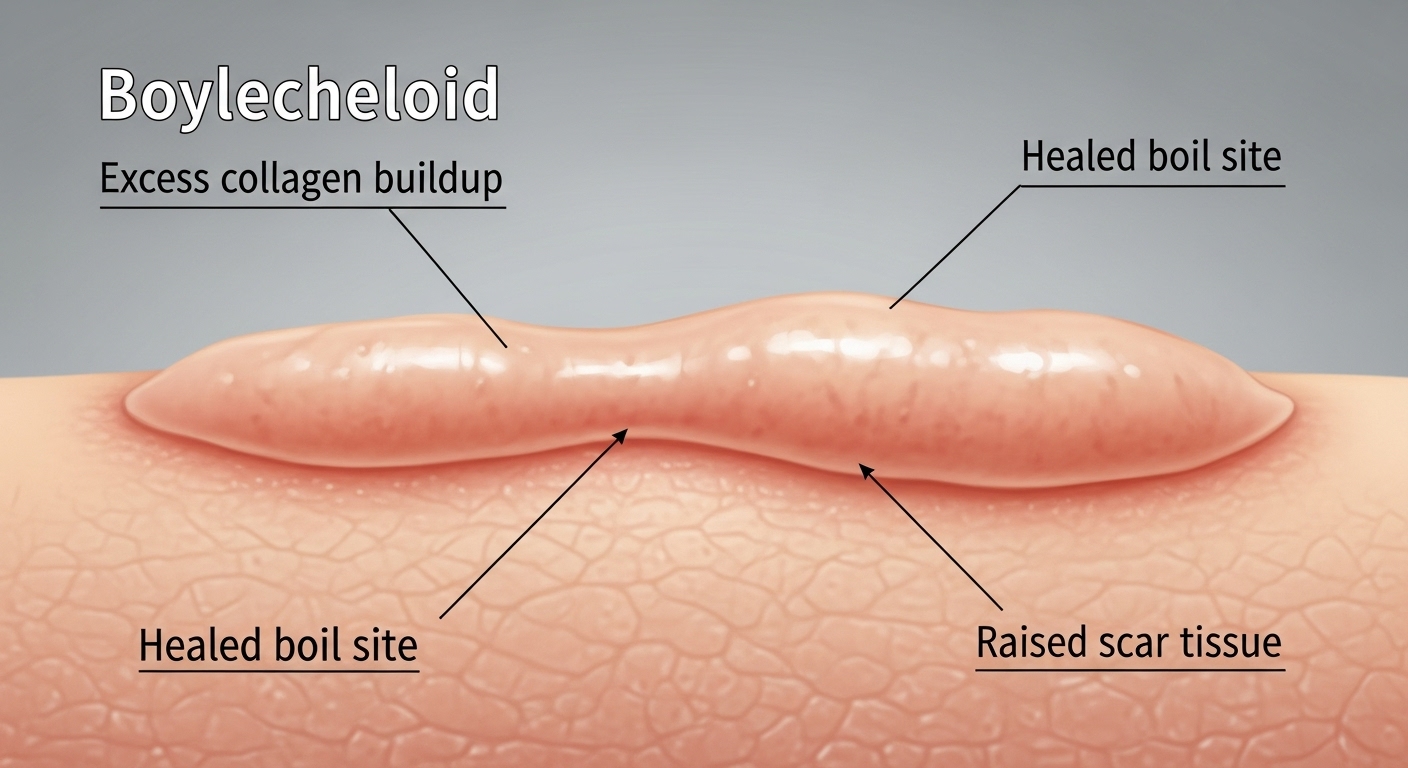
A boylecheloid is best described as a keloid-like scar that forms after a boil has healed, leaving behind thick, fibrotic tissue. This scar tends to spread beyond the boundaries of the original infection site, creating a raised and often shiny surface. Unlike typical scars, which fade over time, a boylecheloid may continue to grow for months or even years. Dermatologists believe its persistent growth is linked to abnormal collagen production triggered by intense inflammation. When a boil penetrates deep layers of the skin, the immune response becomes aggressive, and the body sometimes miscalculates how much tissue repair is needed, leading to excessive scar formation.
Many people confuse boylecheloids with common keloids, acne scars, or hypertrophic scars. While these conditions share similarities, the root cause of a boylecheloid lies specifically in the infection-healing cycle of a boil. For example, individuals who frequently experience staph infections or cystic skin issues are at higher risk of developing this type of scar. Another distinct feature is the texture—boylecheloids often feel firmer than hypertrophic scars but may be more sensitive than standard keloids. Understanding these differences helps people pursue targeted treatments and avoid remedies that might worsen inflammation.
Read More: Sirbserbica
How Boylecheloids Form in the Skin
A boylecheloid forms only after significant inflammation caused by a boil. Boils can create deep tunnels in the skin, disturbing several layers of tissue. When the boil ruptures or drains, the surrounding area becomes raw and highly vulnerable. If bacteria linger or if the wound is handled improperly—such as being squeezed aggressively—the healing phase becomes chaotic. During this chaos, fibroblasts, the cells responsible for collagen production, begin overproducing structural proteins. This excess collagen piles up in a disorderly fashion, giving birth to a thick and expanding scar that we identify as a boylecheloid.
Another factor contributing to boylecheloid formation is genetics. People with a family history of keloids or abnormal scar responses have a much higher chance of developing this condition. Hormonal changes, immune system issues, and even friction against the healing skin can aggravate the scar. Sometimes, a person may notice the scar beginning as a small bump but gradually thickening and spreading in the months that follow. This progression can be alarming, especially when the scar becomes tender or itchy. Recognizing these early signs allows for faster intervention, reducing the likelihood of the scar growing more difficult to treat.
Symptoms and Characteristics to Watch For
A boylecheloid generally appears as a raised, firm, and sometimes shiny scar. It often takes on a deeper or darker pigmentation than the surrounding skin, especially in individuals with melanated skin tones. One of the hallmark symptoms is persistent itching or sensitivity, which may spike during warmer weather or when clothing rubs against the area. Some individuals report sharp or tugging sensations when the skin stretches, which happens because boylecheloids can attach firmly to underlying tissue. These symptoms contribute to self-consciousness and sometimes discomfort during everyday activities.
Another characteristic is progressive growth. Unlike traditional scars that flatten and lighten over time, a boylecheloid may thicken and widen even long after the original boil has disappeared. In certain cases, the scar develops small nodules or ridges, giving it a bumpy or irregular appearance. This visual progression can be distressing, especially when the scar forms in visible areas like the face, neck, or shoulders. The psychological effect of such scars is often underestimated, yet many individuals express concerns about confidence, clothing choices, and professional interactions. Identifying these evolving characteristics early paves the way for promising treatment outcomes.
Treatment Options for Boylecheloid
Treating a boylecheloid usually requires a combination of therapies because the scar tissue is dense and resistant. Dermatologists often begin with corticosteroid injections, which help reduce inflammation and gradually soften the scar over several months. These injections can slow collagen production and minimize growth. Silicone gel sheets and silicone-based creams also remain popular, as they help hydrate the scar and create mild pressure that encourages flattening. For individuals experiencing discomfort, these treatments can significantly ease itching and tenderness. Consistency is key—improvement is gradual rather than immediate.
For more stubborn boylecheloids, advanced dermatological procedures may be recommended. Laser therapy, particularly pulsed dye laser (PDL), can reduce redness and soften the scar’s texture. Cryotherapy may be effective for smaller scars, though it requires careful application to avoid pigment loss. Some cases call for combination approaches, such as pairing corticosteroid injections with laser treatments. Surgical removal is generally the last resort because boylecheloids tend to recur aggressively after trauma. When surgery is performed, it is often followed by radiation therapy or intensive scar management to prevent regrowth. Working closely with a dermatologist ensures a customized strategy tailored to the severity and behavior of the scar.
Preventing Boylecheloid Formation
Preventing a boylecheloid starts with proper boil care. Avoid squeezing or popping boils at home, as improper handling dramatically increases the risk of deep tissue damage and abnormal scarring. Instead, warm compresses and medical evaluation help ensure the boil drains safely. Keeping the area clean and covered reduces bacterial spread and inflammation. Once the boil heals, applying silicone gel or a gentle moisturizer can support balanced collagen production. Early intervention is crucial, especially for individuals with a history of keloids or scarring issues.
Another preventive step involves minimizing friction and irritation during the healing phase. Loose clothing, breathable fabrics, and avoiding unnecessary touching of the area help keep inflammation to a minimum. Maintaining strong immune health—through hydration, balanced nutrition, and managing chronic skin conditions—also plays a significant role. For people prone to recurring boils, addressing the root cause, such as bacterial colonization or hormonal imbalances, dramatically lowers the risk of future boylecheloid development. Taking these precautions does not guarantee prevention, but they significantly reduce the likelihood of severe scarring.
Psychological and Emotional Impact
While a boylecheloid is a physical condition, its emotional impact is equally significant. Many individuals feel self-conscious about visible scars, especially if the boylecheloid forms on areas that cannot easily be covered. The persistent itching or discomfort may serve as a constant reminder of the condition, contributing to stress or social anxiety. Studies show that people with prominent scarring often modify their daily routines, avoiding certain clothing styles or social situations altogether. This emotional burden highlights the importance of supportive care and understanding from both healthcare professionals and loved ones.
Addressing the psychological aspect of boylecheloids is just as vital as treating the physical scar. Dermatologists often encourage patients to discuss their concerns openly and may recommend counseling if self-esteem is deeply affected. Many individuals find comfort in online support groups where others share experiences and treatment outcomes. Knowing that a boylecheloid is treatable—and that improvement is possible—can significantly reduce emotional distress. A holistic approach combining physical therapy, psychological support, and preventative strategies offers the best chance of regaining confidence and comfort.
When to See a Dermatologist
A boylecheloid should prompt a dermatology visit when it begins to grow, itch persistently, or cause discomfort. Early evaluation allows a specialist to distinguish it from other types of scars or skin conditions, ensuring proper treatment. A dermatologist may examine the scar’s thickness, texture, and behavior to determine the best therapeutic options. Some boylecheloids respond quickly to corticosteroids, while others require more intensive or multi-step approaches. Delaying treatment can make the scar more resistant and harder to manage over time.
Seeing a dermatologist is especially important for individuals with a history of unusual scarring. If the boylecheloid forms in a highly visible area or causes significant discomfort, professional care becomes essential. Specialists can also provide long-term monitoring, adjusting treatments as the scar evolves. Even if the scar appears minor at first, early intervention improves outcomes dramatically. The sooner a dermatologist intervenes, the more manageable the boylecheloid becomes, reducing the emotional and physical burden it may cause.
Conclusion
A boylecheloid can be frustrating, uncomfortable, and emotionally taxing, but it is far from untreatable. By understanding how it forms, recognizing symptoms early, and seeking professional guidance, individuals can significantly improve both the appearance and feel of these stubborn scars. Modern dermatology offers a range of effective treatments—from silicone therapies to lasers and injections—that help reduce thickness, calm inflammation, and restore confidence. Prevention also plays a key role: proper boil care, reduced friction, and proactive skin health can dramatically lower the chances of developing a boylecheloid in the future.
If you’re dealing with a persistent scar after a boil, taking action early gives you the best chance of achieving smooth, healthy skin again. Reach out to a dermatologist, explore your treatment options, and remain consistent with your care plan. With patience and the right approach, a boylecheloid can be managed successfully, helping you move forward with clarity and confidence.
