

Introduction
The term sirbserbica has emerged as a fascinating point of interest for researchers, cultural historians, and curious readers looking to understand lesser-known regional traditions and influences. Although not widely recognized in mainstream discourse, sirbserbica represents a blend of cultural, linguistic, and historical elements tied to a specific Balkan lineage. Many people encounter the keyword when exploring heritage sites, regional folklore, or evolving identity movements across Eastern Europe. Because of its rich context, sirbserbica provides a compelling entry point for anyone seeking to explore how cultural labels shift and evolve through time. In today’s interconnected world, such topics matter more than ever, as communities work to preserve traditions while adapting to modern challenges.
As interest in cultural authenticity grows, so does the relevance of sirbserbica. Researchers and enthusiasts often look to this concept to understand how identity takes shape within a unique geopolitical environment. These inquiries lead to deeper conversations about language formation, historical migration patterns, and the symbolism embedded in regional art. In many ways, sirbserbica acts like a lens through which we can observe the overlaps between past and present, revealing how tradition influences modern expressions of nationalism, community, and belonging. Ultimately, this keyword becomes not just a search term but a gateway into a much broader narrative.
The Historical Roots of Sirbserbica
The history behind sirbserbica remains deeply intertwined with centuries of regional development, political transitions, and cultural negotiation. Scholars trace its emergence to communities that lived along shifting borders, where identity often depended on alliances, trade routes, and linguistic crossover. Because of this complex environment, sirbserbica became associated with a unique cultural flavor—one shaped not by isolation, but by constant interaction. Understanding these roots helps modern readers appreciate how flexible, adaptive, and resilient these traditions have been over centuries marked by both prosperity and conflict.
Archaeological studies and preserved manuscripts add further credibility to what we know about early sirbserbica communities. Many early records describe a population skilled in agriculture, craftsmanship, and trade, often cooperating with neighboring groups despite political tensions. Over time, these influences contributed to a shared cultural code—an evolving set of values and practices that helped communities maintain stability. By examining the past, we gain a richer understanding of what sirbserbica represents today: a symbol of perseverance, cultural blending, and regional pride.
Read More: lz8948391235932au
Linguistic Dimensions of Sirbserbica
Language plays a central role in the identity associated with sirbserbica. While not a distinct language itself, sirbserbica often appears in discussions about dialect formation and linguistic transition in the Balkans. Its usage highlights how communities used vocabulary, idioms, and phonetic shifts to differentiate themselves from neighboring groups while still borrowing elements from them. Linguists studying sirbserbica note traces of Slavic influence, regional pronunciation patterns, and subtle variations that point to centuries of cultural cross-pollination. These language traits create a linguistic mosaic that continues to intrigue scholars today.
Modern linguistic studies further reveal how sirbserbica has adapted to contemporary communication patterns. As global connectivity increases, dialects either fade or evolve rapidly. Yet sirbserbica retains distinctive characteristics even as younger generations embrace digital communication. This tension between preservation and modernization offers a compelling look at how identities survive in a fast-changing world. For anyone studying sociolinguistics or cultural evolution, sirbserbica represents an excellent case study in how language shapes—and is shaped by—community dynamics.
Cultural Practices Influenced by Sirbserbica
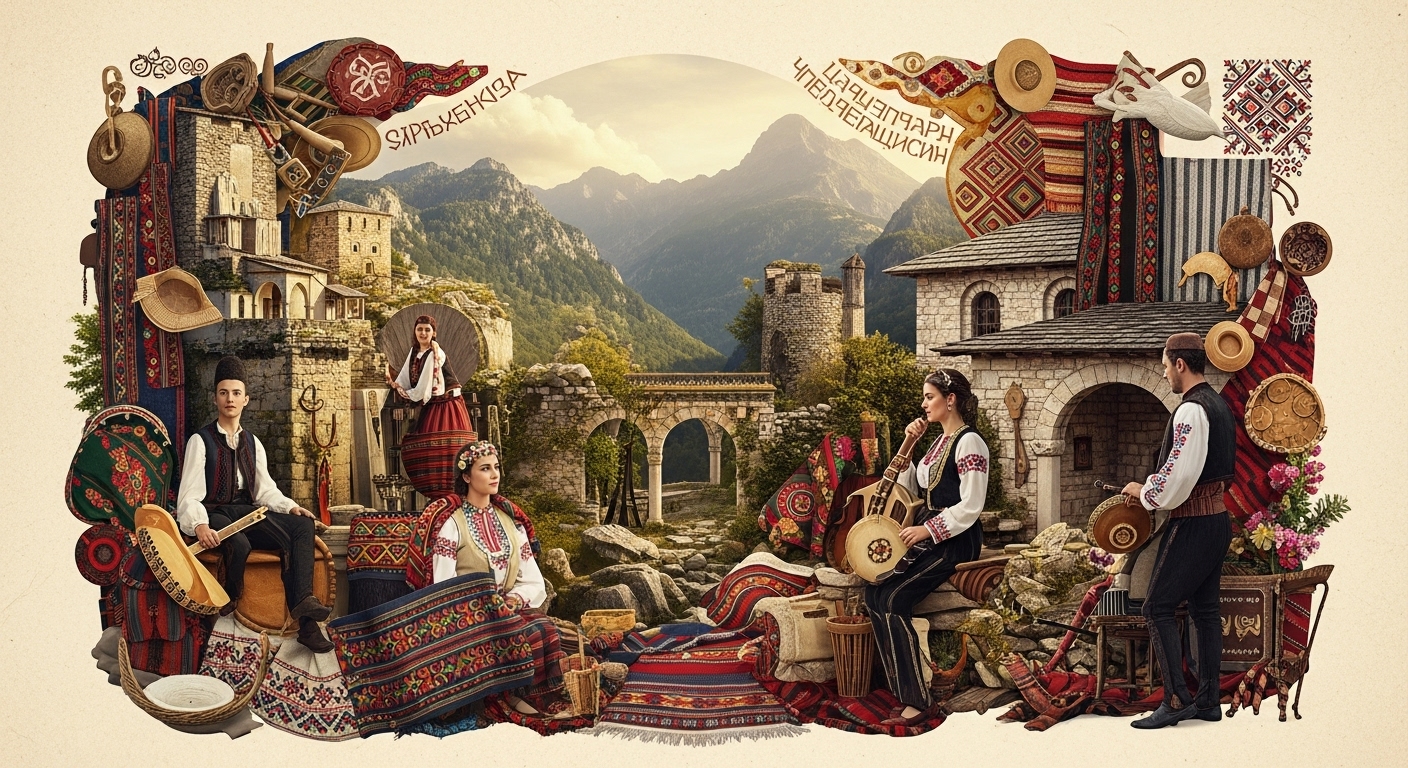
Culture remains one of the most visible expressions of sirbserbica. Folklore, traditional music, textiles, and ceremonial customs all reflect influences tied to this heritage. Many rituals associated with sirbserbica emphasize family unity, agricultural cycles, and reverence for ancestral wisdom. These practices help preserve a shared identity, offering continuity from one generation to the next. Festivals rooted in sirbserbica often incorporate symbolic patterns, traditional attire, and rhythmic music that highlight centuries-old artistic traditions.
Contemporary cultural events inspired by sirbserbica continue to draw interest both locally and internationally. Modern artists often reinterpret traditional motifs in fashion, digital art, and performance pieces, creating a bridge between past and present. This blending of old and new gives sirbserbica renewed relevance, encouraging younger audiences to engage with their heritage. By presenting tradition in fresh, creative forms, these cultural practices ensure that sirbserbica remains a dynamic and evolving expression of identity.
Sirbserbica in Modern Identity Movements
Identity movements across the region have embraced sirbserbica as a means of reinforcing heritage and strengthening community bonds. As global migration increases, individuals often revisit their roots to gain clarity about who they are and where they come from. Sirbserbica serves as a cultural anchor, helping people maintain a sense of belonging even when they live far from ancestral lands. This influence is particularly evident in diaspora communities, where traditions help maintain continuity.
At the same time, modern interpretations of sirbserbica reflect broader global trends in identity exploration. Many people blend traditional values with progressive ideas about culture and belonging. By doing so, they redefine what sirbserbica means today. Whether expressed through art, literature, or community organizing, this evolving identity highlights the adaptability of cultural heritage. It becomes not just a matter of preservation, but a platform for innovation and self-expression.
Economic and Social Impact of Sirbserbica Communities
Communities grounded in sirbserbica heritage have historically contributed significantly to regional economic development. Their long tradition of agriculture, craftsmanship, and trade provided stability even during periods of political uncertainty. Markets influenced by sirbserbica often specialized in textiles, pottery, and metalwork—goods valued both locally and across international trade routes. This focus on production helped establish the region as a reliable source of artisanal materials and practical tools.
Today, the economic impact remains visible. Tourism, cultural festivals, and craft cooperatives continue to drive financial growth. Many travelers seek authentic experiences tied to sirbserbica heritage, supporting local businesses and artisans. These economic activities strengthen community bonds while preserving cultural practices. By merging tradition with entrepreneurship, modern sirbserbica communities demonstrate how heritage can be both culturally meaningful and economically sustainable.
The Global Spread and Digital Revival of Sirbserbica
Globalization has introduced sirbserbica to audiences far beyond its original region. Scholars, travelers, and enthusiasts often discover the term through blogs, documentaries, or academic forums dedicated to cultural studies. This international interest has elevated sirbserbica from a regional concept to a subject of global curiosity. The spread demonstrates how cultural identity can resonate broadly when preserved and communicated effectively.
Social media and online platforms have accelerated this revival. Digital creators share stories, images, and educational content that highlight sirbserbica traditions. These digital archives help preserve fragile customs while making them accessible to younger generations. Online communities celebrate festivals virtually, share craft tutorials, and explore family histories associated with sirbserbica. Through these efforts, heritage becomes interactive, engaging, and timeless.
Conclusion
Sirbserbica stands as a powerful example of how cultural identity evolves while maintaining deep historical roots. Whether explored through language, tradition, or modern reinterpretation, it offers a rich tapestry of meaning for anyone interested in heritage and cultural development. As global interest grows, sirbserbica continues to shape conversations about belonging, creativity, and community resilience. While rooted in a specific regional history, its lessons resonate far beyond geographical boundaries.
For those intrigued by cultural preservation, sirbserbica invites further exploration. Studying it provides insight into how traditions survive, adapt, and thrive in the face of modern change. Whether you’re a researcher, traveler, or simply curious about world cultures, sirbserbica offers a meaningful journey into the heart of identity itself.
