

Introduction
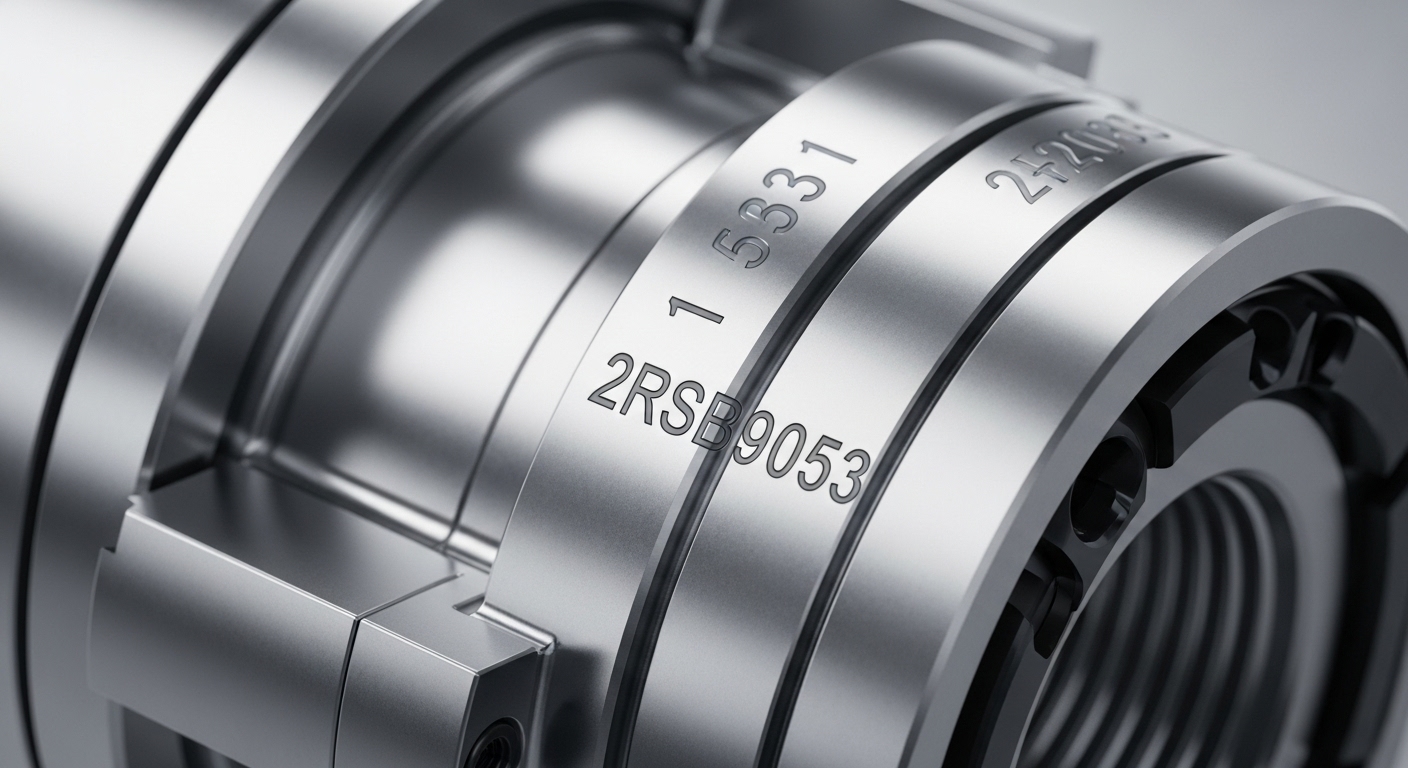
The term 2rsb9053 has steadily gained visibility across industrial, mechanical, and engineering sectors, yet many professionals still lack a comprehensive understanding of what it is and why it matters. At its core, the 2rsb9053 refers to a specialized component engineered for performance, durability, and compatibility across demanding applications. Whether used in precision machinery, automated systems, or heavy-duty equipment, it represents a standard of reliability that modern industries increasingly depend on. In a landscape where efficiency and long-term stability often determine operational success, understanding how a component like the 2rsb9053 fits into the bigger picture can be a major advantage.
For engineers, technicians, and buyers, navigating the technical specifications and performance expectations of a product such as the 2rsb9053 can feel overwhelming. That’s why this guide breaks down the topic in plain, approachable terms without sacrificing accuracy. By exploring its features, benefits, applications, installation considerations, and maintenance factors, you’ll gain a holistic understanding of the 2rsb9053 and how it can elevate your projects or systems. Whether you’re upgrading existing machinery, designing new equipment, or simply seeking clarity before making a purchase, this resource will help you make more informed decisions rooted in real-world performance and reliability.
What the 2rsb9053 Is and How It Works
The 2rsb9053 is typically classified as a precision-engineered component designed to support mechanical operations with stability, load capacity, and longevity. Many variations of the 2rsb9053 are utilized in equipment that demands resistance to wear and consistent functionality over long duty cycles. Its construction usually includes high-grade materials capable of withstanding friction, environmental exposure, and mechanical pressure, making it a favorite for industries that cannot afford downtime. Beyond its structural strength, the 2rsb9053 stands out due to its balanced blend of efficiency and adaptability, giving system designers the freedom to integrate it into complex setups.
From a functional standpoint, the 2rsb9053 is engineered to optimize movement while minimizing energy loss, vibration, and noise. These qualities matter tremendously in environments where performance precision is key—such as robotics, automated production lines, and heavy-machinery frameworks. When components like the 2rsb9053 operate properly, they enhance the overall lifespan of connected systems and reduce wear on adjacent parts. This functionality makes the 2rsb9053 a dependable choice for companies committed to long-term operational excellence.
Read More: Ezzocard Balance
Key Features That Distinguish the 2rsb9053
One of the defining features of the 2rsb9053 is its capacity to maintain structural integrity under sustained pressure and repetitive motion. Many modern versions include reinforced seals, advanced lubrication systems, or precision-machined surfaces that reduce drag and improve efficiency. These innovations allow the 2rsb9053 to operate effectively in harsh environments where temperature fluctuations or particulate matter might degrade lesser components. As industries push for tighter tolerances and greater automation, the demand for components with rigorous standards—like the 2rsb9053—continues to grow.
Another standout feature is its compatibility. Manufacturers often design the 2rsb9053 to integrate seamlessly with a wide range of equipment, reducing installation time and lowering the overall cost of system upgrades. This adaptability also opens the door for custom applications in fields such as aerospace, medical devices, industrial machinery, and renewable energy. When engineers know a component like the 2rsb9053 offers dependable performance across various use cases, they gain the confidence to innovate without worrying about core mechanical stability.
Common Applications of the 2rsb9053
Because the 2rsb9053 delivers consistent results under demanding conditions, it’s widely used in industries where performance and reliability are non-negotiable. For example, precision manufacturing facilities rely on the 2rsb9053 to support rapid rotational movement, accurate alignment, or sustained load-bearing. Its presence in conveyor systems, assembly lines, and CNC machines demonstrates how versatile and indispensable it has become. Even small deviations in component quality can disrupt productivity, making options like the 2rsb9053 essential for safeguarding operational continuity.
Outside of manufacturing, the 2rsb9053 is frequently found in automotive, aerospace, and agricultural machinery. These sectors require parts that can endure environmental stressors such as temperature extremes, vibration patterns, debris exposure, and continuous motion. The durability and engineering precision of the 2rsb9053 allow it to meet these challenges without compromising performance. As these industries pursue greater automation and electrification, components like the 2rsb9053 remain vital building blocks of innovation.
Installation and Integration Tips for the 2rsb9053
Installing the 2rsb9053 requires careful planning to ensure optimal performance and long-term reliability. Technicians should begin by verifying compatibility with existing components, including alignment requirements and load specifications. Proper lubrication, torque settings, and seal inspection play a crucial role in preventing early failures. Because the 2rsb9053 is engineered with tight tolerances, mistakes during installation—such as improper seating or contamination—can shorten its lifespan or affect system efficiency. Following manufacturer guidelines is crucial for achieving the intended performance.
Integration into a larger system also involves environmental considerations. Temperature, vibration, and exposure to chemicals or moisture can alter how the 2rsb9053 performs over time. Many teams install protective housings, buffers, or filtration systems to maintain ideal operating conditions. When integrated correctly, the 2rsb9053 can significantly boost productivity, reduce maintenance costs, and enhance machine precision. Proper installation doesn’t just protect the component itself—it protects the entire system around it.
Maintenance Requirements for Long-Term Performance
Routine maintenance is essential for maximizing the service life of the 2rsb9053. While the component is designed for durability, factors such as lubrication breakdown, misalignment, or accumulated debris can impact performance. Regular inspections help detect early signs of wear before they become costly failures. Checking lubrication levels, reapplying seal protection, and monitoring system vibration patterns are simple steps that prevent long-term issues. Maintenance schedules should be based on usage patterns rather than fixed timelines to ensure accuracy.
Beyond standard care, advanced monitoring tools like vibration sensors and thermal imaging can help assess the condition of high-demand components like the 2rsb9053. These diagnostic techniques allow technicians to catch micro-faults that may not be visible during routine checks. By using predictive maintenance methods, businesses can reduce downtime, extend component life, and maintain productivity. The 2rsb9053’s durability becomes even more advantageous when paired with a proactive maintenance strategy.
Benefits of Choosing the 2rsb9053 for Modern Systems
Choosing the 2rsb9053 offers several advantages for organizations aiming to build systems that perform consistently over long periods. Its engineered precision reduces rotational friction, noise, and energy loss—key benefits in automated production settings. By improving mechanical efficiency, systems that rely on the 2rsb9053 often run cooler, smoother, and more reliably. The result is a measurable increase in output quality and equipment lifespan.
In addition, the 2rsb9053 delivers an excellent cost-to-value ratio. Although the initial investment may be slightly higher than lower-grade components, its longevity and performance reliability translate to lower replacement and maintenance costs. Industries operating under tight margins or constant workload cycles especially value the 2rsb9053 for its proven ability to minimize operational disruptions. Across the board, it offers a combination of durability, stability, and versatility that supports long-term success.
Conclusion
Whether you’re selecting components for a new engineering project or upgrading existing machinery, understanding the value of a high-performance part like the 2rsb9053 can significantly enhance your decision-making. Its precision, adaptability, and durability make it a standout choice across numerous industries, from manufacturing and transportation to renewable energy and advanced automation. By taking the time to properly install, integrate, and maintain the 2rsb9053, you unlock its full potential and help ensure the long-term success of your equipment.
If you’re ready to improve system resilience, enhance performance, or move toward more efficient operations, exploring the 2rsb9053 is a smart first step. Its proven track record and broad applicability continue to make it a preferred component among engineers and technical professionals. With the insights provided in this guide, you’re better equipped to evaluate how the 2rsb9053 can support your next project or operational upgrade.
