

Today, video games have become an inseparable part of modern life. They bring enjoyment, help relieve stress, and even open opportunities for a career in esports. However, excessive gaming can lead to a serious issue — gaming addiction. More and more people, especially young ones, spend hours in virtual worlds, forgetting about school, work, or real communication. This article explores how real the problem of gaming addiction is, its causes, consequences, and ways to overcome it.
Games as part of modern culture
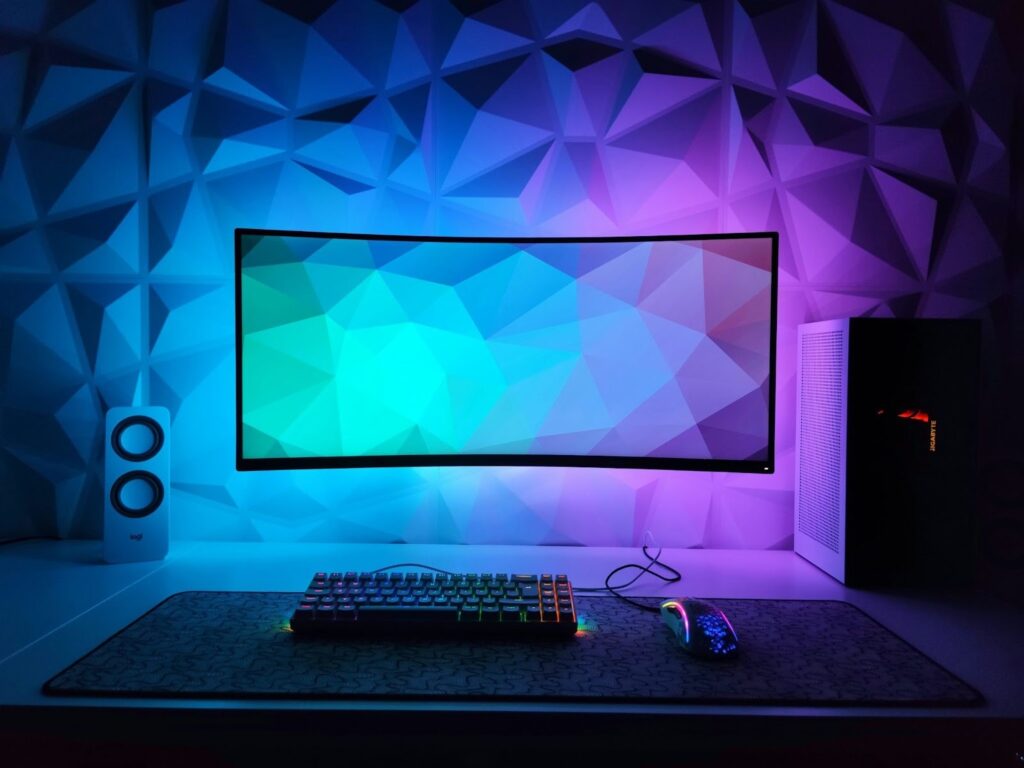
In the 21st century, video games have become an essential part of life for millions of people. They serve as a way to have fun, communicate, relax, and even earn money. One of the most popular games today is Counter-Strike 2, about which you can find countless guides, articles, and tips on counter-strike 2 wiki. There, players can learn about strategies, weapons, maps, and the game’s history. For many fans, this is not just a game — it’s a part of their identity, a community where they feel accepted and valued.
Games, especially online ones, allow people to compete, experience success, and communicate freely. This creates strong emotional engagement. A person may return to the game again and again to relive the familiar emotions of victory, tension, and teamwork.
However, when a player starts devoting too much time to the game — neglecting rest, study, or real friends — a habit can turn into an addiction. Games themselves are not evil; the problem begins when they take over a person’s attention and replace real life.
How and why gaming addiction forms
Gaming addiction is a condition where a person cannot control their urge to play. They feel a constant need to return to the virtual world, even when they realize it harms their real life. Scientists explain this by the action of dopamine — a chemical that produces feelings of pleasure. When a player wins a match, gains a new level, or receives a rare item, the brain “rewards” them with satisfaction. This creates a habit — the person wants to repeat the positive experience and strives for even greater success each time.
Over time, a vicious cycle forms: to feel happy again, one must keep playing. If for some reason they cannot play, they may become nervous, irritable, or even depressed. This is similar to other types of addictions, such as social media or gambling.
Teenagers are especially vulnerable to this process. They often seek self-expression through games, want to show their skills, and find friends in the gaming community. When real life seems boring or difficult, games become a place where everything feels simpler — you can win, receive praise, and feel important. That’s why it’s essential to teach young people to recognize the line between healthy interest and harmful dependence.
Real consequences of excessive gaming
Gaming addiction can have serious consequences for both mental and physical health.
Physical effects
People who spend 6–10 hours a day at the computer often suffer from back pain, poor eyesight, and sleep problems. They rarely go outside, move little, and ignore proper nutrition. Over time, this can lead to obesity, headaches, and posture disorders. Even the muscles of the neck and arms become strained from long hours at the keyboard.
Psychological effects
Gaming addiction influences emotional stability. A person may become irritable when losing or feel strong anger after defeat. They can lose interest in hobbies that used to make them happy and start avoiding real communication. Many addicted players feel lonely, even if they have online friends.
Social and educational effects
Those who spend too much time gaming often face problems at school or work. They come late, forget their responsibilities, and lose concentration. Students’ grades drop, and adults’ work efficiency decreases. Conflicts with parents, friends, and partners are also common due to excessive gaming.
Sometimes addiction leads to financial troubles. Many games include in-game purchases that seem small but add up over time. A person may spend hundreds of dollars on skins, subscriptions, or bonuses without realizing how much money is gone.
How to recognize the problem and find balance
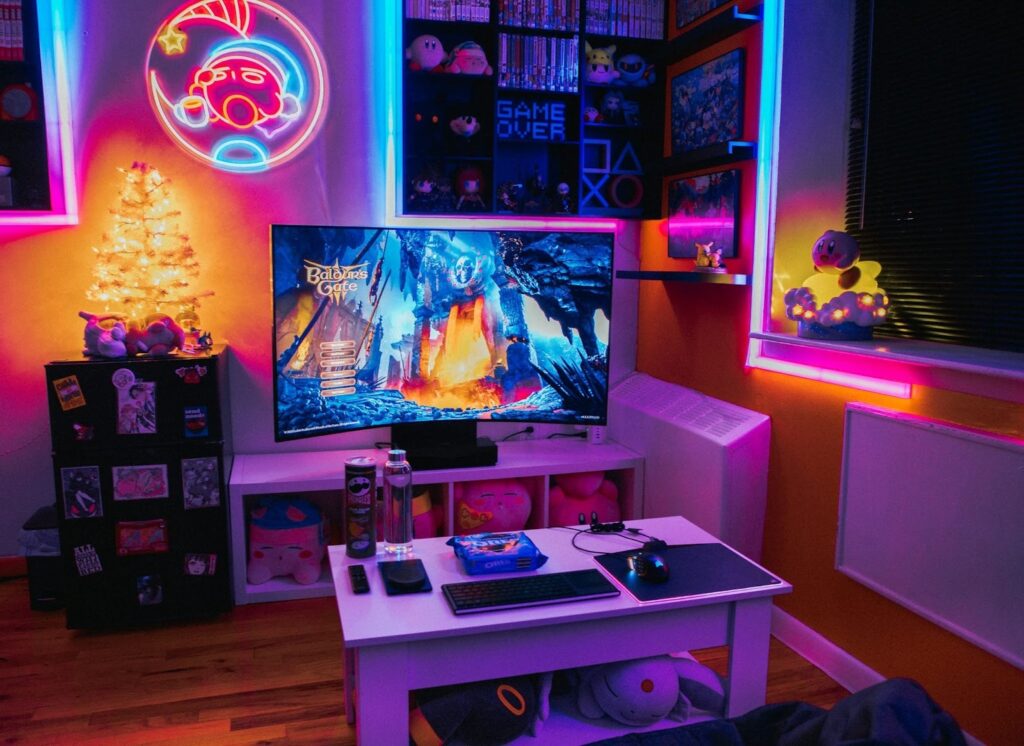
The first step to overcoming addiction is admitting it exists. Most people think they “control themselves,” but often don’t notice how much time they actually lose.
Signs of gaming addiction:
- Constant thoughts about the game, even when not playing.
- Spending more time gaming than planned.
- Games becoming more important than work, study, or family.
- Irritation when unable to play.
- Hiding from others how much time is spent online.
If several of these signs sound familiar — it’s time to reflect.
Steps to change:
- Set limits. For example, allow yourself no more than two hours of gaming per day, or only after finishing important tasks.
- Find other sources of joy. Sports, music, travel, books, or volunteering — all these bring pleasure from real life.
- Talk to people offline. Spending time with friends and family reduces the need for virtual replacement.
- Build discipline. Creating a daily schedule helps you see how much time games actually consume.
- If it’s too hard to cope alone, it’s important to seek professional help. The World Health Organization officially recognizes gaming addiction as a mental disorder, and there are specialists who can help.
Parents should also pay attention to their children — not just ban games, but explain why balance matters, and support their healthy interests.
Conclusion
Games are not the enemy. They can improve logic, reaction speed, creativity, English skills, and even help people find friends. Counter-Strike 2, Minecraft, Fortnite, Dota 2 and many others have created global communities that unite millions of players. The problem arises only when gaming replaces real life. Gaming addiction is real, but it can be overcome. The key is not to escape from reality but to learn to combine fun and responsibility wisely. When games become just one part of life, not its main focus, they bring joy — not harm.
Remember: the world beyond the screen is much bigger, brighter, and more interesting than any virtual level. Balance is the true key to a healthy relationship with gaming.
