

Introduction
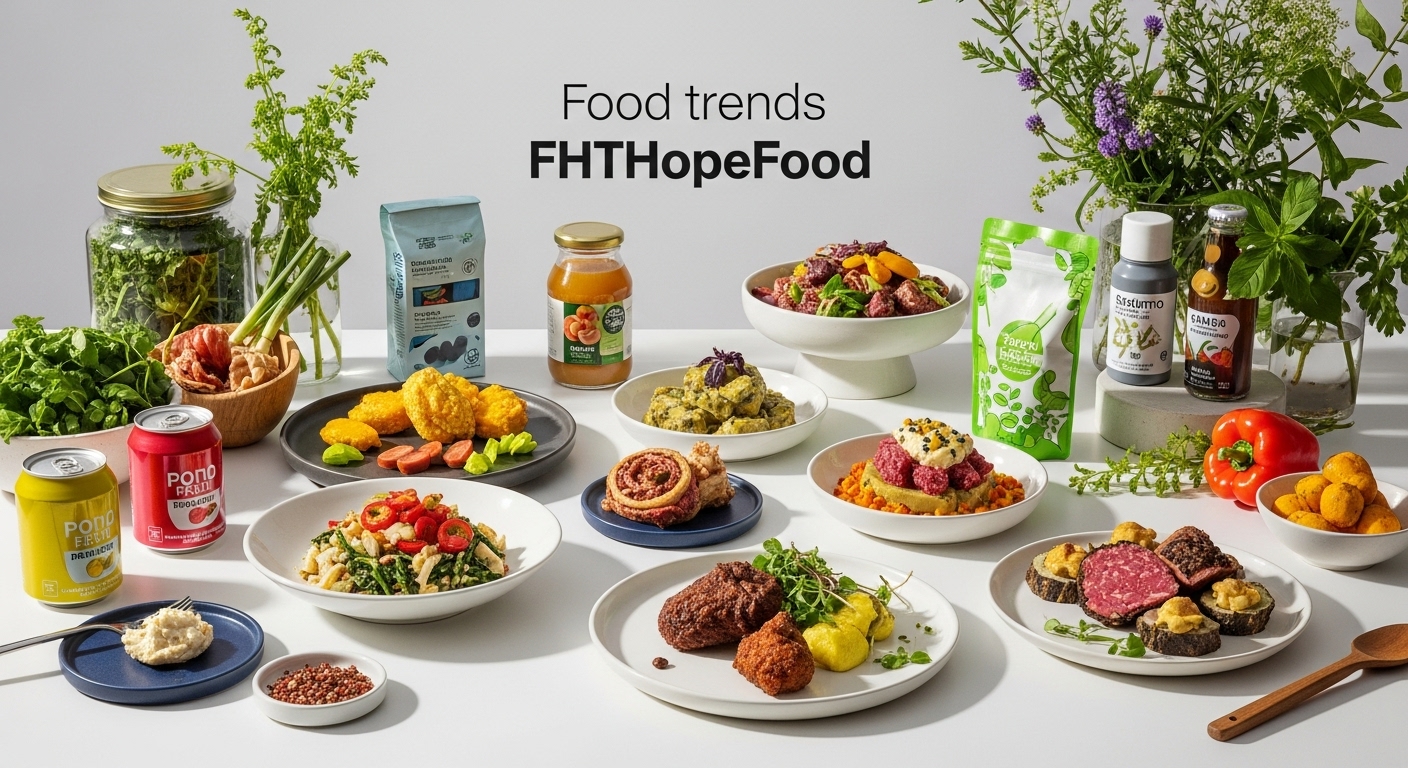
The food industry is evolving faster than ever, and the term food trends FHTHopeFood has become synonymous with the exciting future of dining, nutrition, and conscious consumption. FHTHopeFood represents a growing movement in how consumers and brands alike are reshaping their relationship with food — focusing on sustainability, transparency, and innovation. As we move through 2025, food is no longer just about taste; it’s about values, wellness, and technology coming together to redefine the culinary landscape.
From climate-friendly ingredients to advanced fermentation, the modern consumer’s plate is a reflection of social responsibility and personal health. Restaurants, retailers, and food startups are all adapting to meet new expectations — where eco-conscious sourcing, functional nutrition, and authentic cultural experiences dominate. The rise of FHTHopeFood shows how people are embracing mindful eating while still craving bold flavors and convenience.
This comprehensive look at food trends FHTHopeFood will explore the leading movements influencing what we eat and why it matters. You’ll discover how plant-based innovation, tech-driven kitchens, and regenerative agriculture are changing the way we view food. Whether you’re a chef, a foodie, or simply curious about what’s next in food culture, these trends offer a roadmap to a more sustainable, delicious future.
The Rise of Plant-Based Innovation
Plant-based eating continues to lead food trends FHTHopeFood, and 2025 is proving to be its most dynamic year yet. What began as a niche lifestyle choice has become a mainstream movement, with major brands investing in plant proteins that rival meat in flavor and texture. New technologies in fermentation, cellular agriculture, and ingredient blending are allowing companies to produce sustainable, nutrient-dense alternatives without sacrificing satisfaction. Consumers, driven by environmental and health concerns, are turning to products that reflect both wellness and ethical values.
Furthermore, this trend isn’t limited to vegetarian or vegan audiences. Flexitarians—those who occasionally eat meat—are a key demographic driving the surge in plant-based products. From oat-based seafood substitutes to lab-cultured chicken, the innovation pipeline is endless. Restaurants and grocery chains are expanding menus and aisles dedicated to these foods, reflecting a shift in consumer identity toward mindful indulgence. As FHTHopeFood continues to inspire creativity, plant-based dining is no longer a compromise—it’s a culinary revolution.
Sustainable Dining and the Zero-Waste Movement
Sustainability is no longer a buzzword; it’s a demand. One of the core pillars of food trends FHTHopeFood is zero-waste dining, where both restaurants and consumers aim to reduce food loss at every stage. From composting kitchen scraps to upcycling imperfect produce, businesses are reimagining how to serve great food with minimal waste. Michelin-starred chefs are even designing menus around entire ingredients — roots, stems, and leaves — ensuring nothing goes to landfill.
Consumers are following suit by embracing sustainable packaging, local sourcing, and seasonally driven recipes. The concept of “conscious cooking” has entered home kitchens, with meal planning apps and delivery services promoting waste-free habits. Major retailers are supporting this shift by partnering with regenerative farms and implementing closed-loop supply chains. The result? A dining culture where sustainability isn’t an afterthought — it’s at the heart of the FHTHopeFood movement.
Functional Foods and Nutrition with Purpose
Health-conscious eating has evolved beyond calorie counting into a realm where food actively enhances well-being. In food trends FHTHopeFood, functional foods—those offering specific health benefits—are taking center stage. Think mood-boosting beverages, gut-friendly fermented snacks, and protein-packed grains fortified with vitamins. These innovations are responding to consumers’ desire for proactive wellness, where every bite contributes to physical and mental health.
The science behind functional nutrition is rapidly expanding. Adaptogens, probiotics, and omega-rich ingredients are finding their way into everyday meals. Functional beverages like kombucha and mushroom coffee are now staples on supermarket shelves. Consumers are more informed, demanding transparency about sourcing, ingredient integrity, and nutrient density. Through FHTHopeFood, food becomes a tool for empowerment — turning everyday eating into an act of self-care and longevity.
Technology Reshaping the Culinary Landscape
Digital transformation is at the heart of food trends FHTHopeFood, with technology revolutionizing how food is produced, cooked, and consumed. From AI-driven recipe creation to 3D-printed desserts, the fusion of food and technology has created a new culinary frontier. Smart kitchens equipped with connected devices optimize energy use and reduce waste, while data analytics help chefs personalize menus based on customer preferences.Delivery platforms and virtual restaurants are also evolving. Ghost kitchens and cloud-based brands cater to the digital-first diner who craves convenience without compromising quality. Meanwhile, precision agriculture and blockchain tracking ensure transparency from farm to fork. The synergy between tech and taste is creating a smarter, more efficient global food ecosystem — a defining hallmark of the FHTHopeFood movement.
Global Fusion and Cultural Authenticity
Culinary boundaries are blurring as global influences reshape the American dining scene. A defining aspect of food trends FHTHopeFood is the appreciation of authentic, cross-cultural cuisine. Diners are seeking not just flavors but stories — recipes rooted in heritage, history, and identity. This has led to a surge in regional fusion dishes, where techniques and ingredients from different cultures harmonize to create something entirely new.
At the same time, there’s a growing emphasis on respecting the origins of global flavors. Chefs are collaborating with local communities to highlight traditional methods while giving them a contemporary twist. The result is a food culture that celebrates diversity while fostering inclusion. Whether it’s Korean-Mexican tacos or African-inspired plant-based stews, FHTHopeFood embodies the idea that food is a universal language of connection.
Regenerative Agriculture and Ethical Sourcing
Behind every food trend lies the soil it grows from. Regenerative agriculture — a practice focused on restoring ecosystems — is central to food trends FHTHopeFood. Farmers are adopting methods that enrich biodiversity, capture carbon, and improve soil health. This not only benefits the planet but also produces more nutritious, flavorful ingredients. Brands aligned with this movement are gaining consumer trust by emphasizing traceability and ethical sourcing.
Consumers are increasingly aware that what happens on the farm affects their plate. This awareness drives demand for transparent supply chains and partnerships with small-scale producers. Ethical sourcing now extends beyond fair trade coffee or chocolate; it encompasses seafood, grains, and fresh produce too. As FHTHopeFood continues to shape industry practices, it champions a circular system where every link — from farmer to chef — contributes to a healthier planet.
The Return of Comfort and Experience
Amid all the innovation, comfort food remains timeless. In the context of food trends FHTHopeFood, comfort is being redefined through emotional connection and sensory experience. Dishes that evoke nostalgia — from homemade pies to slow-cooked stews — are making a comeback with elevated ingredients and storytelling. Restaurants are designing immersive dining spaces that engage all senses, blending familiarity with innovation.
Consumers crave experiences that go beyond the meal itself. Pop-up dining, themed tasting menus, and community-based supper clubs are reviving the joy of shared food. Even fast-casual chains are introducing comfort-driven items infused with health-forward twists, such as gluten-free mac and cheese or dairy-free desserts. FHTHopeFood proves that in an era of change, comfort and creativity can coexist beautifully.
Conclusion: Where FHTHopeFood Leads Us Next
The evolution of food trends FHTHopeFood shows that food is more than sustenance—it’s a statement of values, identity, and innovation. As the world faces environmental and social challenges, our choices around what we eat carry deeper meaning. The intersection of sustainability, technology, and culture is giving rise to a global food movement that prioritizes balance between planet and pleasure.
In the years ahead, FHTHopeFood will continue to inspire collaboration among farmers, chefs, scientists, and consumers. Together, they’re crafting a food future rooted in hope — where taste, ethics, and wellness thrive in harmony. Whether you’re exploring a new plant-based recipe or supporting a regenerative farm, every decision contributes to a more flavorful, responsible world. The table of tomorrow is already being set — and FHTHopeFood is leading the feast.
