

Introduction
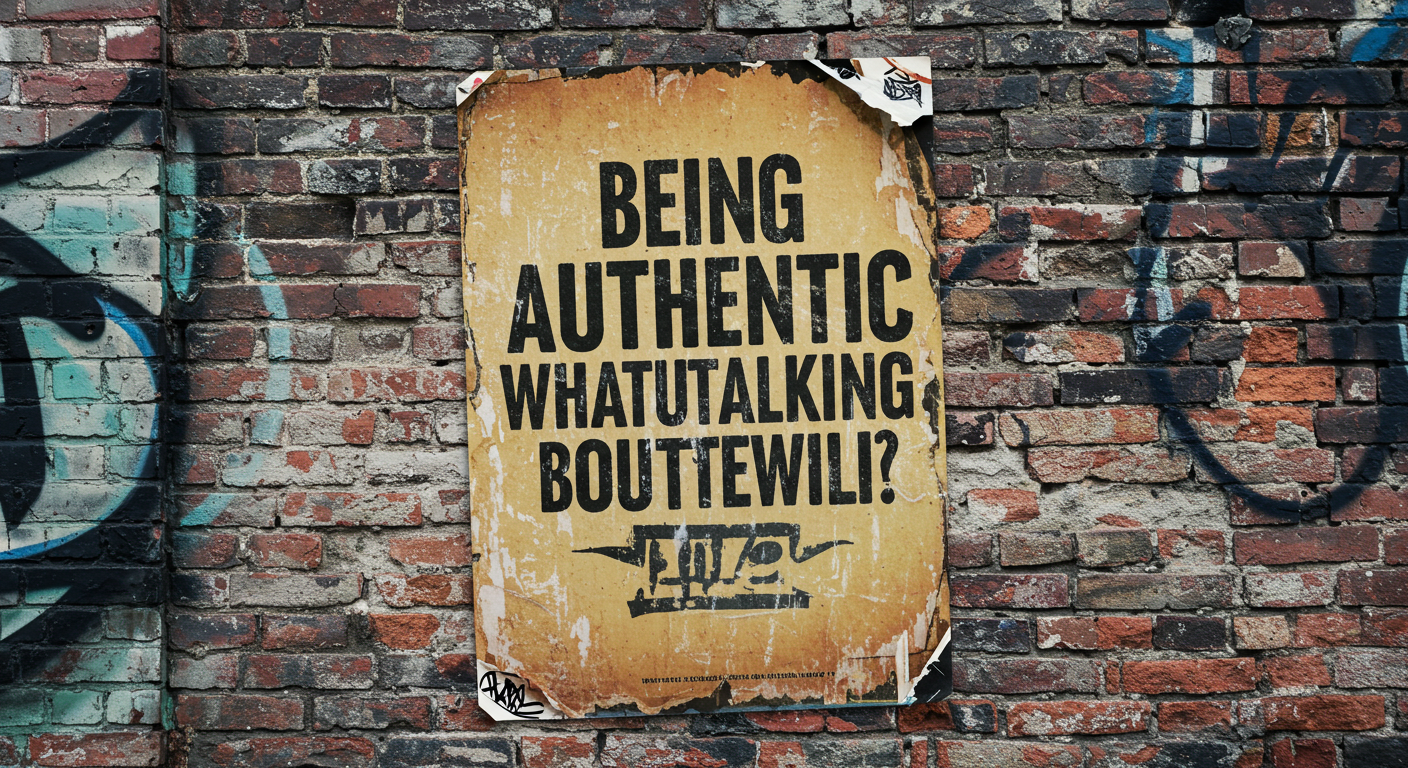
The phrase “being authentic whatutalkingboutwillis” might seem unusual at first glance, but it blends a classic cultural reference with a timeless human need: the pursuit of authenticity. “What you talking ‘bout, Willis?” became a household catchphrase in the late 20th century thanks to the sitcom Diff’rent Strokes, where Gary Coleman’s character used it to express disbelief or challenge inconsistencies. Today, the phrase serves as more than just a nostalgic nod to television history—it represents questioning the world around us and insisting on staying real. When people talk about being authentic whatutalkingboutwillis, they are essentially asking: “Are you living in truth, or are you just performing for others?”
In a world dominated by curated social media feeds, influencer branding, and societal pressure to conform, the idea of authenticity is more important than ever. Authenticity is not just about speaking your mind; it’s about aligning your actions, values, and lifestyle so that they reflect who you truly are. The twist of adding whatutalkingboutwillis to the discussion brings humor and relatability, reminding us to challenge contradictions and resist falling into the trap of fake personas.
At its core, authenticity provides credibility in relationships, careers, and personal growth. People gravitate toward those who are genuine because honesty builds trust. Yet, being authentic isn’t always simple. It can mean taking risks, being vulnerable, or breaking away from expectations. That’s where the playful skepticism in whatutalkingboutwillis becomes helpful—it encourages us to question inconsistencies in ourselves and others, paving the way for more transparent connections.
This article dives deep into the meaning of being authentic whatutalkingboutwillis in modern life, exploring cultural roots, personal identity, and real-world applications. By examining the phrase through different lenses—communication, leadership, creativity, and relationships—we’ll uncover how embracing authenticity can transform both our personal and professional journeys.
The Cultural Roots of “Whatutalkingboutwillis”
The expression “whatutalkingboutwillis” originated in Diff’rent Strokes, a sitcom that aired from 1978 to 1986. Gary Coleman’s delivery made it one of the most recognizable catchphrases in television history. It wasn’t just comedic—it symbolized curiosity, skepticism, and a refusal to accept nonsense without questioning it. This cultural moment still resonates today, proving how pop culture often provides language for deeper human truths. Linking this phrase to authenticity adds a dimension of humor and nostalgia, but also relevance, as it suggests that we should constantly question whether we’re being real or simply playing roles imposed by others.
In many ways, the popularity of whatutalkingboutwillis mirrors how people naturally gravitate toward straightforwardness and clarity. The line worked because it was authentic to the character. Coleman’s charm and sincerity made the phrase powerful, not just funny. Similarly, in our everyday lives, people can detect when we’re being genuine and when we’re not. By drawing on this cultural reference, the concept of being authentic whatutalkingboutwillis reminds us to approach life with humor while still taking truth seriously.
Why Authenticity Matters in Modern Life
Living authentically is not just a philosophical idea; it has measurable impacts on health, happiness, and success. Research from Harvard Business Review highlights that employees who feel they can be themselves at work show higher engagement and productivity. Authentic leaders also tend to build stronger trust with their teams, which translates into better collaboration and long-term results. In personal life, authenticity fosters deeper relationships because people feel safe knowing they’re connecting with someone real.
The phrase being authentic whatutalkingboutwillis challenges us to pause and reflect: are our daily choices truly aligned with who we are, or are we performing for approval? In today’s digital landscape, where filters and carefully staged content dominate, the courage to live unfiltered is revolutionary. Choosing authenticity may mean standing apart, but it also leads to lasting fulfillment. Like Coleman’s famous line, authenticity interrupts the script and invites us to question whether we are living truthfully.
The Role of Humor in Staying Real
Humor has always played a vital role in revealing truths that might otherwise be uncomfortable. The phrase whatutalkingboutwillis captures this perfectly. It is lighthearted, but it delivers a subtle jab at anything that doesn’t quite add up. By linking humor with authenticity, people can express skepticism, confront dishonesty, and engage in meaningful dialogue without escalating tension. This makes humor a powerful tool in both personal and professional communication.
When combined with authenticity, humor reminds us not to take ourselves too seriously. Being authentic doesn’t mean being rigid—it means being grounded enough to laugh at contradictions and adjust course when necessary. Adopting the spirit of being authentic whatutalkingboutwillis means using humor to call out pretense, while keeping conversations approachable. Whether in the workplace, friendships, or family life, humor softens truth and makes authenticity more accessible.
Authenticity in Communication
Effective communication is the cornerstone of authentic living. When people speak openly and honestly, they build credibility. Conversely, when language is manipulative or overly polished, it erodes trust. The concept of being authentic whatutalkingboutwillis applies here as a reminder to challenge unclear, insincere, or contradictory messages. Asking “what are you really saying?” is an act of authenticity in itself.
In practice, this means choosing words that reflect genuine thoughts, even when those thoughts may not please everyone. It also involves active listening, where we show respect by being fully present. Leaders, parents, and partners who communicate authentically set a standard that fosters openness. The playful energy of whatutalkingboutwillis provides a helpful nudge to pause before accepting vague statements, ensuring that honesty is always at the heart of dialogue.
Authentic Leadership and Influence
Leadership rooted in authenticity consistently outperforms leadership based on authority alone. People are inspired by leaders who admit mistakes, share personal stories, and show vulnerability. In a survey by Deloitte, 83% of employees reported that authentic leadership improves workplace culture. By embodying being authentic whatutalkingboutwillis, leaders can model honesty while also calling out inconsistencies in systems, policies, or even their own behavior.
In influence-driven industries—politics, business, or media—the ability to remain authentic is rare but highly valued. Audiences and teams quickly detect when someone is just “performing” versus truly leading. The humorous skepticism in whatutalkingboutwillis is a tool leaders can use to challenge outdated practices or to encourage their teams to question the status quo. Authentic influence doesn’t come from perfect personas but from consistently aligning values with actions.
Creativity and Authentic Expression
Creativity thrives when authenticity is present. Artists, writers, and entrepreneurs often discover their most impactful work when they stop imitating others and embrace their unique voice. The phrase being authentic whatutalkingboutwillis applies in this context as a reminder to question trends and avoid creative conformity. True originality often comes from asking, “Why follow this path at all?” and daring to do something different.
This mindset is essential in industries where innovation drives growth. Whether designing a product, writing a novel, or developing a marketing campaign, authenticity ensures that the work stands out. Consumers and audiences can tell when something feels forced or recycled. Injecting humor and skepticism, as the phrase suggests, helps keep creativity fresh, relevant, and unapologetically unique.
Authenticity in Relationships
Healthy relationships—romantic, platonic, or professional—are built on honesty. When people show their authentic selves, they create trust and intimacy. Conversely, pretending to be someone you’re not leads to miscommunication and disappointment. The principle of being authentic whatutalkingboutwillis works as a playful reminder to challenge false impressions and prioritize transparency in every interaction.
Relationships become stronger when both parties feel safe to drop facades. This doesn’t mean being brutally honest without empathy, but rather combining truth with kindness. A lighthearted “whatutalkingboutwillis” moment can disarm tension and open the door to real conversations. By balancing humor with sincerity, authenticity helps nurture lasting, fulfilling connections.
Conclusion
At its heart, being authentic whatutalkingboutwillis is about living truthfully while never being afraid to question what doesn’t feel right. By blending humor, cultural nostalgia, and the timeless call for honesty, the phrase serves as a reminder to stay grounded in who we are. In leadership, creativity, communication, and relationships, authenticity builds trust, fosters innovation, and creates lasting bonds.
The world often pressures us to perform or conform, but authenticity cuts through the noise. By adopting the spirit of whatutalkingboutwillis, we can laugh at contradictions while striving for integrity. It’s a mindset that encourages us to pause, question, and realign with our values. Ultimately, being authentic is not just a personal choice—it’s a transformative way of life that inspires others to do the same.
